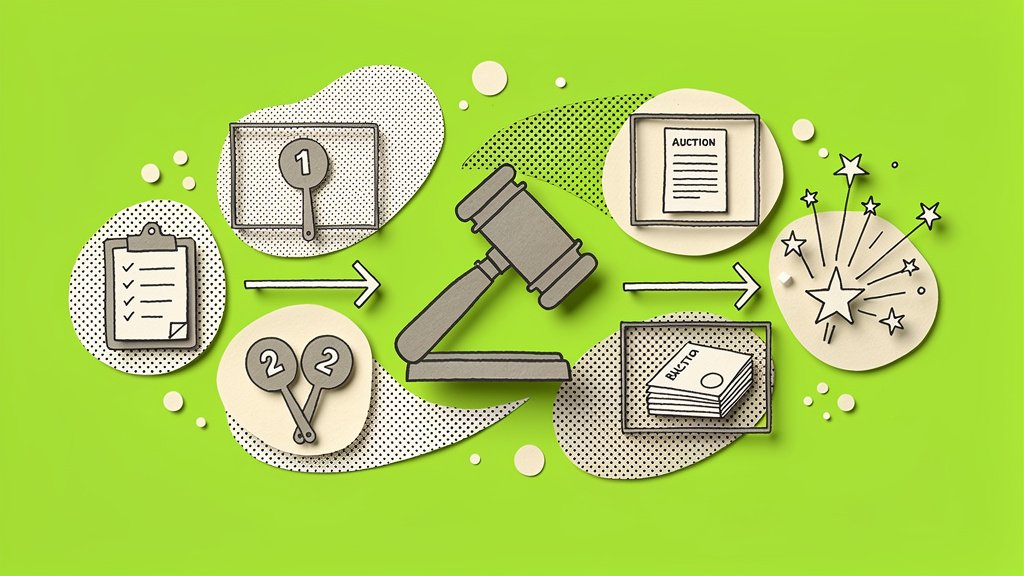
So you’re thinking about running a silent auction? Smart move. When done right, these events do double duty: they bring in serious revenue while keeping things low-pressure and competitive in the best possible way. Whether you’re planning your first auction or looking to level up your game, we’ve pulled together the strategies that actually work for U.S. nonprofits.
Here’s what you’ll learn: how to build your team and timeline, set goals that push you without breaking you, source items people actually want to bid on, promote like a pro, and turn one-night attendees into long-term supporters. We’re walking through this together, step by step.
Step 1: Assemble Your Planning Committee
Look, you need a dedicated team, and you need them early. For major events, we’re talking 9-12 months in advance. Pull together people who can handle different pieces: someone to source donated items, another person to wrangle vendors and tech, and a bid-sheet coordinator who gets pricing strategy.
Recruit from your staff, board members, and volunteers. Aim for diverse skills like marketing, event management, and that one person who’s weirdly good at spreadsheets. During your first meeting, nail down clear goals: your revenue target, how many people you want attending, and your donor acquisition rates.
Here’s a helpful benchmark we’ve found: plan for about 1 volunteer per 30 items on event day. That ratio keeps things running smoothly when you’re in the thick of it.
Protip: Give each committee member a specific success metric to own. This creates accountability and keeps important details from disappearing into the chaos that is event planning.
Step 2: Set Budget and Goals with Data-Driven Targets
First up, establish a realistic budget covering your venue, marketing, software, and those inevitable “oh crap, we forgot about this” contingencies. And here’s something encouraging: nonprofits often see auctions yield 134.5% of item fair market value on average. Not too shabby, right?
Define what success looks like. Track your ROI, sell-through rate (you’re aiming for 95%+ items sold), and how many donors stick around after the event.
You’ll also need to decide on format. In-person, online, or hybrid? Online silent auctions via platforms like Funraise let you reach supporters who can’t make it physically, plus they integrate seamlessly with social media and email without making people download yet another app.
| Metric | Description | Target Benchmark |
|---|---|---|
| ROI | (Revenue – Costs) / Costs x 100 | 100%+ |
| Sell-Through Rate | % of items sold | 95% |
| Avg. Bid | Total bids / Items sold | Above 50% FMV |
| Donor Acquisition | New donors / Total attendees | 40% |
Starting with auction software from day one means you can track everything in real-time. Funraise’s mobile-responsive sites skip the app download friction entirely, which seriously boosts participation. You can explore their platform for free with zero commitments at funraise.org.
Step 3: Procure High-Impact Items Strategically
Here’s the golden rule: solicit donated items only. Never purchase them, or you’re just eating into your profits. Start with your board members, local businesses, and partners who’ve supported you before.
Experiences beat stuff almost every time. Concert tickets, exclusive dinners, behind-the-scenes tours? They spark higher bids. In our experience, autographed items average 8.25 bids per item.
Log everything meticulously: donor info, fair market value, starting bid (30-40% of FMV), and bid increments. Aim for variety that matches your attendees’ interests (travel, tech, local services) and shoot for about half as many items as expected bidders so you don’t overwhelm people.
Themed baskets and unique donor experiences consistently drive engagement at successful auctions. Think beyond the standard wine-and-cheese basket (though honestly, those still work).
Protip: Create an “item procurement tracker” spreadsheet shared with your entire committee. Add columns for solicitation status, whether the thank-you note got sent, and backup options if a donor falls through.
Common Challenges We See Daily
Before nonprofits switch to Funraise, we regularly encounter these frustrating scenarios that’ll make you want to pull your hair out:
The Spreadsheet Spiral: Teams tracking bids manually across multiple Excel sheets, which inevitably leads to calculation errors at checkout. Cue angry winners discovering they weren’t actually the highest bidder. Awkward.
The App Download Desert: Events lose 30-40% of potential bidders who flat-out refuse to download another app for a single event. Older donors especially aren’t here for it.
The Post-Event Black Hole: You collect contact info from 200+ attendees but lack integration with your donor database. Those warm leads grow ice-cold before you even get around to follow-up.
The Unsold Item Graveyard: Without real-time bid monitoring, you only discover your “hot items” got zero bids after the event ends. You’ve missed every opportunity to adjust pricing or promote specific lots.
These aren’t theoretical problems. They’re daily realities that Funraise’s integrated approach was specifically designed to solve.
Step 4: Promote Aggressively Across Channels
Build hype early via email lists, social media teasers, and personalized invites. Target past attendees and lapsed donors who might be ready to re-engage. Create a dedicated landing page previewing your “hot items” and drive pre-registration with early-bird incentives.
For hybrid events, leverage mobile bidding previews. And check this out: 83% of auction attendees plan to return to future events. That’s serious potential for building tradition. Track where your marketing conversions come from (email vs. social) so you can refine future efforts.
Send outbid notifications via text. Automated platforms like Funraise handle this instantly, spiking competition by re-engaging bidders the moment someone outbids them. It’s like adding a li’l FOMO magic to your fundraising.
AI Prompt: Generate Your Custom Silent Auction Timeline
Okay, so here’s a shortcut we figured we should share. Copy and paste this prompt into ChatGPT, Claude, Gemini, or Perplexity to create a personalized planning timeline:
"Create a detailed silent auction planning timeline for a nonprofit event scheduled for [EVENT DATE]. Our organization focuses on [MISSION/CAUSE], expects approximately [NUMBER OF ATTENDEES] attendees, and aims to raise [FUNDRAISING GOAL]. Include specific weekly tasks starting from today, assign responsibilities across committee roles, identify critical milestones, and suggest backup plans for common obstacles."Just replace the bracketed variables with your specifics, and you’ll get a customized roadmap in seconds.
That said, while AI tools are helpful for planning, in your daily fundraising work it’s worth leveraging solutions like Funraise that have AI components built directly into the platform where you’re actually executing tasks. Full operational context without switching between multiple tools? Yes, please.
Step 5: Prepare Logistics and Establish Clear Rules
Design bid sheets with lot number, description, donor credit, minimum bid, and increments. Require registration for bidder numbers to boost security and streamline checkout. Set crystal-clear rules: start and end times, no bid sheet tampering, and payment options (cash, card, Apple Pay).
Rehearse your setup with displays, signage, and checkout stations using that 1:30 volunteer-to-item ratio. For online auctions, make sure you’ve got high-resolution photos and clear shipping details.
Here’s some powerful context: auction donors give an average of $529 per event, with 49% increasing their gifts year-over-year. This shows the long-term value of converting auction participants into loyal supporters. It’s not just about this one night.
Protip: Color-code your displays (red tags for high-value items, blue for experiences) and post FAQ sheets at volunteer stations. You’ll cut confusion by half.
Step 6: Execute Flawlessly on Event Day
“The most successful fundraising events aren’t just about the money raised on that single night, they’re about creating an experience that transforms attendees into lifelong supporters of your mission.”
Funraise CEO Justin Wheeler
Streamline check-in with QR codes and pre-registration options. Monitor bids actively and give some love to slow-moving items. Use an emcee for countdowns, and consider adding a paddle raise (fund-a-need) to engage folks who aren’t winning bids. This turns 500 individual attendees into collective givers rallying around a specific project.
Close bidding with drama and clear announcements. Verify winners immediately and process payments swiftly. Then offer a post-loss donation appeal: “Winners aren’t the only champions, support our mission with a direct gift!”
If you’re using auction software, track real-time metrics throughout. Funraise users can monitor total raised, active bidders, and item performance from their phones during the event, allowing for mid-event strategy adjustments when you notice something’s not landing.
Step 7: Follow Up and Measure Success
Thank winners immediately with tax receipts. Remember, the bid amount minus FMV is the deductible portion. Survey all attendees for feedback within 48 hours while the experience is still fresh in their minds.
Nurture new donors via email streams with impact stories. Here’s something interesting: 64% of auction participants express interest in monthly giving after positive event experiences. That’s a huge opportunity you don’t want to miss.
Analyze your performance. 77% of nonprofits report consistent auction revenue growth when they refine their approach annually. Organizations using integrated platforms like Funraise see particularly strong results, with data showing users boost recurring revenue 52% year-over-year on average. This suggests that tech integration drives sustained gains beyond single events.
Unconventional strategy: Repurpose unsold items (typically around 2.12% receive no bids) into online peer-to-peer auctions for extended revenue opportunities. This transforms “failures” into second-chance fundraising. Waste not, want not, right?
Advanced Considerations for Maximum Impact
Consider these strategic enhancements as you level up your auction game:
Hybrid flexibility: Combine in-person excitement with online accessibility. You’ll capture donors who can’t attend physically but still want to participate and support your mission.
Integration is everything: Your auction shouldn’t exist in isolation. Platforms like Funraise connect silent auctions with peer-to-peer fundraising, recurring giving programs, and donor databases, creating a holistic fundraising ecosystem rather than siloed tools that don’t talk to each other.
Mobile-first thinking: With smartphone penetration near universal in the U.S., make sure every aspect of your auction works flawlessly on mobile devices without requiring downloads. Your donors are already glued to their phones anyway.
Silent auctions blend the psychology of FOMO (via automated outbid alerts) with strategic donor engagement for lasting relationships. When you execute following this blueprint, they transform from one-time fundraisers into engines for sustainable revenue growth and donor acquisition.
Ready to implement these strategies with less stress and better results? Explore Funraise’s free tier at funraise.org. No commitments required, just powerful tools designed specifically for nonprofits like yours.
About the Author


Arts fundraising strategy: how to grow individual giving when ticket revenue plateaus
Here's a scene every performing arts director knows by heart: attendance settles into a comfortable plateau, subscriptions stop climbing, and the box office just can't keep pace with production costs that keep creeping up. Sound familiar? You're not alone, and, more importantly, you're not stuck. Here's the thing though, that plateau might actually be good…
Fundraising ideas for seniors: 15 formats for your most generous age bracket
If you're building a donor strategy and wondering where to put your energy, look no further than the folks who've been showing up for decades. Older adults aren't some niche audience you check in on once a year, they're the foundation a lot of American giving is built on. We're talking major generosity, remarkable consistency,…
Best Event Fundraising and Ticketing Software for Nonprofits: Which Platforms Lift Revenue Per Guest
Gross revenue hides the real story. Here is which nonprofit event software is built to increase what each attendee gives, not just collect the ticket price.