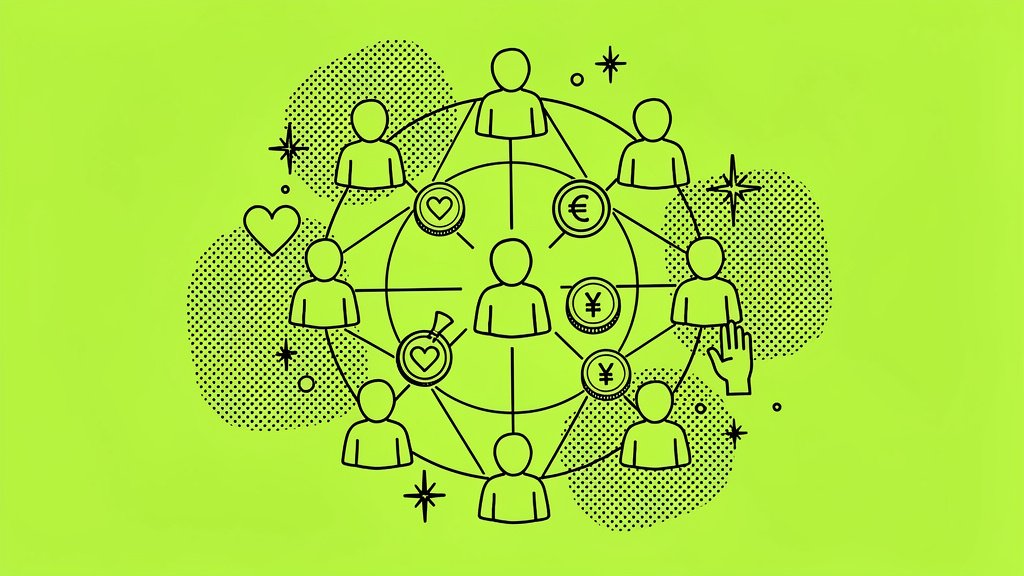
Classic Event-Based Ideas That Build Community
Traditional events still pack a punch because they combine physical participation with fundraising. Plus, they create those memorable experiences people actually want to share.
Walk-a-thons and fun runs let participants collect pledges per mile, offering low barriers to entry and serious turnout potential. Bike rides and spin-a-thons work similarly for fitness-focused missions. Dance marathons add endurance elements with real-time donation goals displayed publicly, while bowl-a-thons introduce friendly competition through pledges per strike. Game nights featuring trivia or board games collect per-game donations.
For bolder participants, polar plunges capitalize on cold-water challenges in winter climates. Talent shows charge entry fees and accept votes-as-donations. Read-a-thons engage younger supporters who log reading pages for literacy causes. Head-shaving challenges create viral moments for cancer awareness, and volunteer challenges convert hours served into peer-raised funds.
These classics succeed because they build community through shared physical efforts while giving fundraisers natural conversation starters.
Protip: Provide customizable social media templates and graphics to your fundraisers. Ready-made assets remove friction and help supporters raise more by simplifying their outreach efforts.
Daily Challenges We See With Nonprofit Leaders
Before organizations switch to Funraise (or sometimes while getting started), we observe recurring patterns that limit P2P success.
The toolkit gap: Fundraisers receive a link but no supporting materials. They genuinely want to help but don’t know what to say or share, so they post once and disengage.
Dashboard blindness: Leadership can’t see who’s active versus who registered but never shared their page. Without activation data, you can’t intervene where it matters most.
Communication overload: Teams manually email updates, losing hours to copy-paste work instead of strategy. Fundraisers miss important milestones because messages arrive late or inconsistently.
The leaderboard mystery: Competitive supporters have no idea where they rank. That gamification element (proven to boost participation) sits unused because the platform doesn’t surface it effectively.
These aren’t edge cases. They’re everyday friction points that depress results and frustrate passionate supporters who genuinely want to succeed.
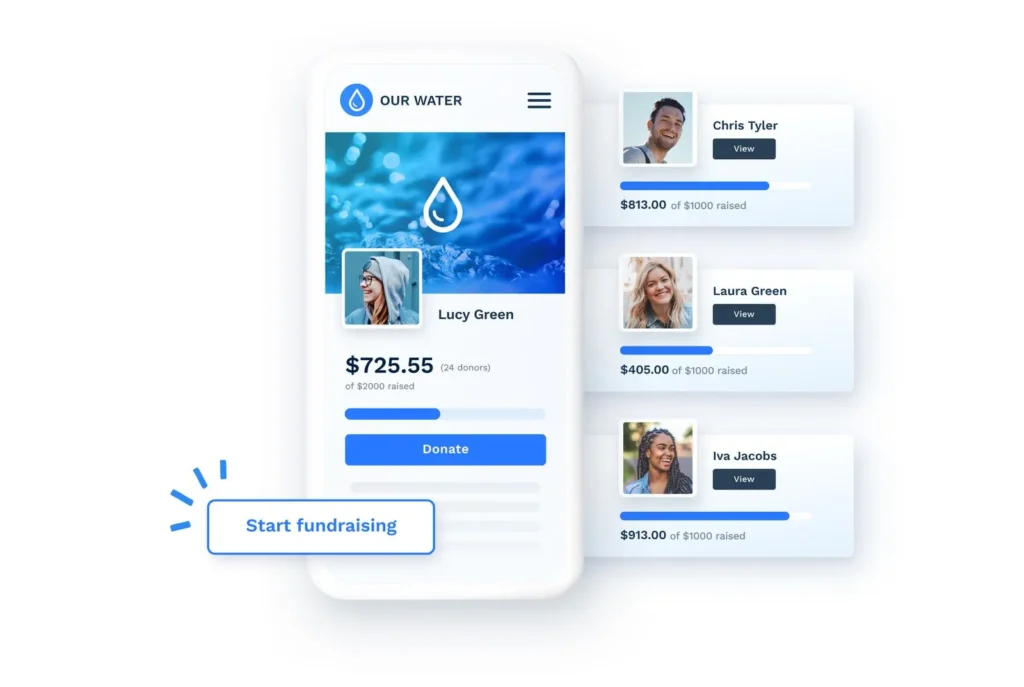
Digital & Social Media Ideas for Maximum Reach
Online platforms enable viral, low-cost campaigns that work across geographies. Birthday fundraisers on Facebook and Instagram redirect gift-giving to donations. Viral video challenges on TikTok create shareable moments with branded hashtags. Livestream fundraisers on Twitch let gamers or cooking enthusiasts broadcast while collecting donations through alerts.
Instagram story series provide 24-hour progress updates that maintain engagement. Countdown campaigns build momentum with daily challenges leading to a major goal. Digital ambassador groups using private Facebook spaces give supporters exclusive access and strengthen community bonds.
Donate-for-a-dare campaigns unlock tiered challenges as donation thresholds are met. Virtual fitness trackers log runs, swims, or walks over weeks using apps. Unbirthday fundraisers turn random acts of kindness into peer asks, while TikTok hashtag challenges mobilize youth-led awareness campaigns.
Digital P2P approaches grew substantially as organizations adapted to remote engagement needs, proving their staying power beyond pandemic conditions.
AI Prompt: Generate Your Custom P2P Campaign Plan
Copy and paste this prompt into ChatGPT, Claude, Gemini, or Perplexity to instantly generate a tailored peer-to-peer fundraising strategy: To maximize your outreach and engagement, consider incorporating peer to peer fundraising email best practices such as personalized subject lines and compelling calls to action. Highlighting the impact of each donor’s contribution can greatly enhance the overall effectiveness of your campaign. Additionally, providing easy access to sharing tools can encourage greater participation among your network. as organizations prepare for the future, it’s essential to brainstorm innovative peer to peer campaign ideas for 2026 that engage supporters in new ways.
Create a detailed peer-to-peer fundraising campaign plan for [YOUR CAUSE/ORGANIZATION]. Our target participants are [DEMOGRAPHIC/GROUP], our fundraising goal is [DOLLAR AMOUNT], and our timeline is [NUMBER OF WEEKS/MONTHS]. Include: 1) Three creative campaign ideas suited to our audience, 2) A week-by-week communication schedule for fundraisers, 3) Five social media post templates fundraisers can customize, and 4) Metrics to track success beyond total dollars raised.Fill in the four variables with your specifics, and you’ll receive a customized framework to accelerate your planning.
Note: While AI tools provide excellent starting points, daily fundraising work benefits from solutions like Funraise that embed AI components directly within your operational workflow. This integration provides full context (your donor data, campaign history, and real-time performance) enabling smarter, faster decisions exactly where you need them.
Team & Competition Ideas That Amplify Motivation
Rivalry and gamification drive participation when structured thoughtfully. Consider these team-based approaches:
| Team Type | Idea Example | Best For Causes |
|---|---|---|
| Corporate | Department face-offs | Employee wellness, community support |
| School | Penny wars (coin competitions) | Education, youth programs |
| Family | Friends teams rallying bonds | Memorial funds, health causes |
| Company | Corporate vs. corporate challenges | Environmental, social justice |
Class competitions pit grade levels against each other in read-a-thons or talent battles. Family fundraisers turn milestone celebrations (reunions, anniversaries) into team efforts. Hybrid volunteer races time participants cleaning local parks competitively. Gaming tournaments charge entry pledges for online multiplayer events. Chili cook-offs and cocktail/mocktail contests turn taste votes into donations.
Teams create camaraderie that drives retention. Returning participants raise 18% more each year (Peer to Peer Forum).
Protip: Integrate real-time leaderboards into your emails and SMS updates. Immediate feedback on standings keeps competitive momentum high and encourages friendly rivalry.
“The future of fundraising isn’t just about the tools we use, but how we empower individuals to become champions for the causes they believe in.”
Funraise CEO Justin Wheeler
Creative Arts & Food Ideas for Personal Connection
Unconventional approaches blend hobbies with giving, engaging supporters through activities they already love.
Paint-and-sip nights combine virtual or in-person art creation with mission storytelling. Poetry slams and open mics collect tips for performers whose work ties to your theme. Photography contests sell or auction sponsored shots. Art auctions and craft fairs feature supporter-donated pieces bid up publicly.
Bake sales transition from physical tables to online pledge pages for home bakers. Coffee-for-a-cause pop-ups appear at workplaces or homes. Clothing swaps charge entry donations while refreshing wardrobes sustainably. Pumpkin carving contests leverage fall themes with virtual entries. Holiday gift wrap stations exchange wrapping services for donations. Summer splash events turn pool parties and lemonade stands into fundraisers.
These personalized approaches matter because 80% of P2P revenue comes from gifts over $50, despite low rates of large donations (Raisely). Personal storytelling through creative activities helps supporters justify bigger asks to their networks.
Personal Milestone & DIY Challenge Ideas
Life events create authentic fundraising opportunities with built-in emotional resonance.
Wedding and anniversary fundraisers redirect traditional gifts to donations. Tribute and memorial campaigns honor loved ones meaningfully. Personal challenges (going vegan for a month, tech-free weeks) demonstrate commitment while raising funds. Recycling drives collect pledges per item for environmental groups. Youth takeovers let kids run social accounts or livestreams.
Wear Red days follow American Heart Association models with themed dress-up. Craft workshops sell handmade items at community fairs. Shower strikes dare participants to skip showering for water-focused causes. Movember-style month-long challenges build awareness through visible participation. DIY giving days empower supporters to create their own awareness spikes.
We’ve found that P2P builds lasting relationships. Peers become exponentially more valuable long-term donors than one-time contributors. To maximize this potential, organizations must develop effective peer engagement strategies that encourage connections and foster loyalty. By providing the right tools and resources, peers are empowered to support each other while enhancing their giving experience. Ultimately, these strategies not only deepen ties among donors but also help drive sustainable fundraising growth.
Protip: Offer non-monetary incentives like digital badges, social media shoutouts, or exclusive supporter events for top fundraisers. Celebrating effort over pure outcomes keeps the focus on participation and mission, not just dollars.
Why P2P Succeeds: The Psychology Behind Peer Networks
Peer-to-peer fundraising works because it leverages trust. Friends donate 33% more when asked by someone they know personally rather than an organization directly. It fosters ownership. When supporters create their own pages and communities via groups or messaging platforms, they sustain their own drive rather than depending solely on organizational momentum.
Nonprofits acquire new donors through P2P at impressive rates: 14% of people worldwide have visited a P2P fundraising page (Kindsight). This creates both immediate revenue and long-term pipeline growth as new supporters enter your ecosystem through trusted referrals.
Quick Implementation Framework
| Step | Action | Tool Tip |
|---|---|---|
| Recruit | Target passionate supporters from your donor base | Use CRM data to identify top candidates |
| Equip | Provide templates, images, and pre-written copy | Make sharing effortless with ready assets |
| Promote | Launch with email and social media blasts | Maintain two-way communication throughout |
| Track | Monitor dashboards for activation and progress | Benchmark against 76% average activation rate (Raisely) |
| Thank | Send personalized recaps and impact stories | Build repeaters who raise 18% more yearly (Peer to Peer Forum) |
Protip: Start small by piloting one creative idea each quarter. Test approaches, gather data on what resonates with your audience, then scale winners with confidence.
Your Next Steps
Creative peer-to-peer fundraising ideas abound, but execution determines success. The strategies above work across causes, budgets, and organizational sizes, but they require the right infrastructure to maximize results. To further enhance their efforts, organizations should explore fundraising software for nonprofits that leverage social media engagement. Creating compelling narratives and showcasing impact can inspire donors to contribute, while diversifying revenue sources can provide a more stable funding base. By investing in donor relationships and cultivating community support, nonprofits can build a sustainable fundraising model.
Ready to launch your own high-performing P2P campaign? Funraise offers both free and premium tiers, so you can start building today with no commitments. The platform’s built-in P2P tools, real-time dashboards, and supporter communication features eliminate the common challenges that limit campaign success. Test it yourself at funraise.org and discover why organizations consistently see 10x returns from their peer fundraisers.
About the Author

Peer to Peer Fundraising Statistics for Nonnprofits: 2026 Data for Better Planning
Peer-to-peer fundraising has this quiet superpower that a lot of nonprofits underestimate: it turns your most passionate supporters into fundraisers, and those fundraisers into community builders. And when you zoom out and look at what the data is telling us heading into 2026, the picture is genuinely exciting. Not in a hype-y, everything-is-amazing way, but…
12 Peer to Peer Fundraising Best Practices Experienced Nonprofits Leaderk Know by Heart
Look, peer-to-peer fundraising isn't just another tactic to throw at your donor base. It's actually one of the most powerful ways to expand your reach and build real community around your mission. Sure, the top 30 P2P programs raised a combined $1.17 billion in 2025 (NonProfit PRO), but here's the thing: participation rates are still…
Your Blueprint for a High-Impact Peer to Peer Campaign
Look, peer-to-peer fundraising isn't just another tactic to add to your already overflowing plate. It's about turning your supporters into active champions who rally their networks on your behalf. Instead of simply asking people to give, you're inviting them to become part of something bigger, creating authentic connections that can seriously amplify your reach. As…