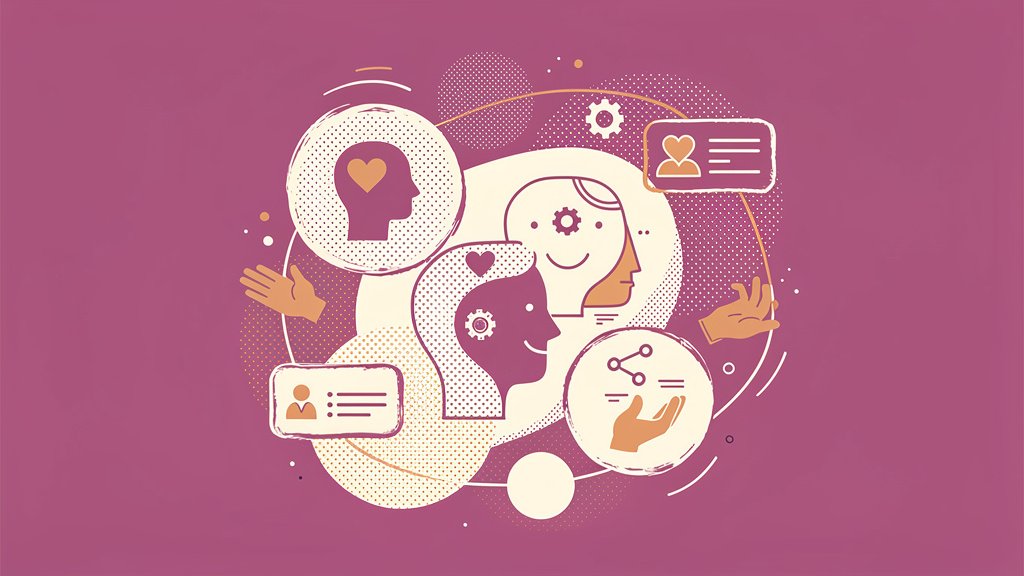
Look, if you’re like most nonprofits, you’re probably treating your donors like one big homogeneous blob. But here’s the thing: the retired teacher dropping $20 each month? She’s got nothing in common with the tech executive hunting for measurable ROI. Donor personas are semi-fictional profiles of your ideal supporters, built from real data on demographics, motivations, and behaviors. They help you ditch those cringe-worthy “Dear Friend” appeals and actually talk to people like, well, people.
In our experience working with nonprofits, personas aren’t some nice-to-have marketing exercise. They’re survival tools. This guide will walk you through why personas work, what makes a strong one, and exactly how to build them without losing your mind in the process.
Why Personas Beat Mass Appeals Every Time
Generic campaigns make a pretty big assumption: that all donors think alike. Personas flip that script by revealing why people actually give. And spoiler alert, it’s rarely about your organization. It’s about their values, their stories, their need to feel like they matter.
The numbers back this up. We’ve found that nonprofits using Fundraising Intelligence for persona-building achieve a 12% higher year-over-year donor retention rate (Funraise blog). Meanwhile, organizations leveraging these analytics tools raise 7x more online annually compared to those flying blind (Sisense case study). With donor retention averaging 45-50% annually across the sector (AFP Fundraising Effectiveness Project), you’re basically losing half your supporters each year. That’s exhausting.
Here’s what effective donor personas unlock:
- Laser-focused personalization: You can craft appeals addressing specific motivations, like highlighting program outcomes for data-driven donors or pulling heartstrings for empathy-led givers,
- Smarter channel allocation: Stop emailing everyone when your younger supporters basically live on Instagram,
- Resource efficiency: Invest time cultivating high-potential segments instead of those spray-and-pray tactics we’ve all tried.
Protip: Apply the 80/20 rule to get started quickly. Build your first personas around the top 20% of donors by lifetime value. They likely represent 80% of your revenue and offer way clearer patterns to analyze.
The Anatomy of a Powerful Donor Persona
Strong personas combine hard data with human insight. You need both the spreadsheet (giving history, demographics) and the story (motivations, frustrations). Here’s what to capture:
| Category | Details to Include | Why It Matters |
|---|---|---|
| Demographics | Age, income, location, education, employment | Tailors messaging to life stage and giving capacity |
| Psychographics | Values, motivations, lifestyle, opinions | Reveals why they give (the emotional drivers) |
| Giving History | Frequency, amount, preferred causes, upgrade potential | Predicts future behavior and identifies opportunities |
| Communication Preferences | Channels (email/SMS), frequency, content type | Ensures messages reach donors where they engage |
| Tech Behavior | Devices used, social platforms, donor journey stage | Optimizes digital touchpoints and UX |
Organizations using this framework through platforms like Funraise see 73% average online donation growth (Funraise homepage). Your CRM already holds most of this data, anyway. The challenge? Organizing it into actionable profiles instead of letting it collect digital dust.
Common Struggles Before the Persona Breakthrough
We see these scenarios daily with nonprofit leaders before they jump on the persona bandwagon:
The Spray-and-Pray Emailer: Sending identical year-end appeals to a 22-year-old first-time donor and a 65-year-old monthly sustainer, then wondering why open rates tank. Both need different hooks. Career impact for the younger donor, legacy messaging for the retiree.
The Channel Mismatch: Investing heavily in direct mail for a donor base skewing under 40, or ignoring text-to-give when half your supporters respond best to mobile. Without personas mapping preferred channels, you’re basically shouting into the void.
The Lapsed Donor Mystery: Watching previously engaged supporters disappear without understanding which touchpoint failed them. Personas reveal journey breakdowns. Maybe your monthly givers need quarterly impact reports you’re not sending, or major donors crave personal calls you’ve automated away.
These aren’t failures of effort. They’re failures of insight, and personas solve this.
Your 8-Step Blueprint for Building Donor Personas
Skip the guesswork with this proven framework:
- Define your characteristic categories: Use the table above as your template (demographics, psychographics, giving history, communication preferences, and tech behavior).
- Mine your database: Export CRM data to identify clusters. Look for patterns in giving frequency, average gift size, and campaign response rates.
- Survey your supporters: Ask 5-10 questions about motivations (“What inspired your first gift?”), communication preferences, and satisfaction. Keep it under 3 minutes, or people will bail.
- Analyze marketing performance: Review email open rates, click-throughs, social engagement, and donation page analytics to understand what content actually resonates.
- Add employment intelligence: Include employer fields in donation forms. This unlocks matching gift opportunities that can double donations without acquiring new donors.
- Map donor journeys: Trace the path from awareness to first gift to retention. Note drop-off points where personas diverge.
- Conduct qualitative interviews: Talk to 5-10 donors per emerging segment. Ask about objections, what nearly stopped them from giving, and what keeps them engaged.
- Build narrative profiles: Create 3-5 personas with names, photos, bios, and direct quotes. Make them human enough that your team can reference “Compassionate Christa” in campaign meetings without it feeling weird.
Blend quantitative database analysis (shows patterns), surveys (captures preferences), and interviews (reveals emotional depth). This triangulation prevents personas from becoming either too data-dry or too assumption-based.
Protip: If manually building personas feels overwhelming, leverage AI for initial drafts. Input your CRM data into Funraise AI to generate persona sketches, then humanize them with interview insights and real donor quotes.
AI Prompt: Generate Your First Donor Persona
Ready to jumpstart your persona creation? Copy this prompt into ChatGPT, Claude, Gemini, or Perplexity, replacing the bracketed variables with your specifics:
Create a detailed donor persona for our nonprofit based on this data:

Organization focus: [your cause area, e.g., "environmental conservation"]
Target donor segment: [e.g., "monthly givers aged 35-50"]
Average donation amount: [$amount]
Key values this segment cares about: [e.g., "measurable impact, local action"]

Include: persona name, demographic profile, giving motivations, communication preferences, potential objections to donating, and 3 tailored messaging strategies to engage this donor type.
While AI prompts offer quick wins, daily fundraising work demands context-aware tools. Solutions like Funraise embed AI directly into your workflow, building personas from live CRM data, suggesting segments during campaign creation, and optimizing appeals without copy-paste friction. Start exploring at funraise.org with their free tier.
Bringing Personas to Life: Real Examples
Abstract frameworks only click when you see them in action. Consider these archetypes drawn from actual nonprofit data:
Compassionate Christa (The Monthly Champion): 45-year-old middle school teacher earning $52K annually. Gives $20/month because she “wants kids to have opportunities I didn’t.” Prefers email newsletters with student success stories and responds to urgency around program funding gaps. Campaign angle: Send quarterly impact reports showing exactly how her $240/year supported three students.
Business Bryan (The Corporate Partner): 55-year-old tech executive focused on ROI and brand alignment. Motivated by measurable outcomes and networking value. Prefers concise SMS updates and annual reports with data visualizations. Campaign angle: Invite him to exclusive impact briefings where he can bring colleagues, positioning sponsorship as thought leadership.
Impact Ian (The Community Connector): 35-year-old local professional who gives $100-$500 when campaigns highlight hyper-local results. Active on social media, shares nonprofit posts constantly. Values transparency and peer validation. Campaign angle: Launch P2P campaigns where Ian recruits his network. Funraise data shows P2P fundraisers raise 2x more when persona-guided (Funraise homepage).
Unconventional exercise: Role-play these personas in team meetings. Pitch your next campaign “as Christa.” Would she find the ask compelling or tone-deaf? This exposes blind spots faster than any focus group.
Turning Personas Into Marketing That Converts
Personas gather dust unless embedded in execution. Here’s your activation playbook:
| Channel | Best Persona Fit | Tactical Application |
|---|---|---|
| High-engagement segments like Christa | Personalized impact reports, storytelling sequences | |
| SMS | Urgent responders, event participants | Flash appeals, event reminders with one-tap RSVP |
| Social Media | Younger donors, community connectors like Ian | User-generated content campaigns, behind-the-scenes stories |
| Phone Calls | Major donors, corporate partners like Bryan | Stewardship check-ins, impact briefings |
The urgency is real, by the way. AFP data shows Q4 2024 donor numbers dropped 4.5% with retention down 2.6% (AFP Fundraising Effectiveness Project). Generic outreach accelerates this trend. Personalized strategies, guided by personas, actually counter it.
Segment your CRM by persona tags, then A/B test messaging variations. Send Christa emotional narratives. Send Bryan metrics-heavy updates. Track which drives higher conversion and lifetime value.
“Donor personas transform fundraising from transactional asks into relational conversations that honor why people give in the first place.”
Funraise CEO Justin Wheeler
Protip: Use Funraise’s automated segmentation to tag personas in your CRM. Launch persona-specific campaigns with one click instead of manually filtering lists every time.
Avoiding Persona Pitfalls (Plus One Unconventional Fix)
Even good personas fail when treated as static documents. Update them quarterly as donor behavior shifts. Yesterday’s email-first supporter might be today’s text-preferred giver. And don’t over-segment either. We’ve found that 3-5 core personas suffice for most nonprofits. More just fragments your efforts.
Here’s an unconventional approach: Build “anti-personas” by profiling non-responders. If donors consistently ignore tax-deduction messaging, that signals value-driven motivations matter more than financial incentives. Use anti-personas to refine what not to say, sharpening your actual personas by contrast.
Pair this with a persona priority matrix. Score each persona by potential revenue x ease of engagement. Focus resources on high-score quadrants first. Your “Business Bryans” with major gift capacity and clear communication preferences deserve white-glove treatment before you optimize messaging for sporadic small donors.
Test via micro-campaigns. Before rolling out persona-tailored appeals organization-wide, send variants to 100-person samples per persona. Measure response rates, refine, then scale what works.
Protip: Schedule quarterly “persona audits” where you cross-reference new Funraise reports against recent campaign performance. If Christa-types are lapsing, survey them immediately to understand why and adjust your profile.
Measuring What Matters and Iterating Forward
Track these metrics to gauge persona effectiveness:
- Email open rates: Target 25%+ uplift for persona-segmented campaigns versus generic blasts,
- Donor retention by persona: Aim for 60%+ among your top segments,
- Revenue per persona: Identify which profiles deliver highest lifetime value,
- Conversion rates: Measure first-gift and upgrade percentages by segment.
Funraise dashboards automate this tracking, and organizations using the platform report 52% recurring donor growth (Funraise homepage). Set monthly reviews to spot trends. If Impact Ian’s social shares drop, maybe your content shifted too corporate.
Personas aren’t one-and-done. They’re living frameworks that evolve as your donors do. Refresh them with new interview insights, wealth screening data, and behavioral patterns from your latest campaigns.
From Transactional to Relational
Creating donor personas humanizes marketing by replacing assumptions with understanding. You stop treating supporters as ATMs and start seeing them as Christa, Bryan, and Ian. Real people with distinct motivations and communication needs.
The investment pays off in retention, lifetime value, and sustainable growth. With tools like Funraise offering free-tier access to persona-building analytics, there’s no barrier to starting today. Build your first persona this week, test tailored messaging next month, and watch relationships deepen as your marketing finally speaks to who your donors actually are.
About the Author

Nonprofit Email Examples & Templates for Your 2026 Campaigns
Email is one of those channels that nonprofits either swear by or quietly neglect, and honestly, the difference usually comes down to infrastructure rather than effort. When your templates are solid, your list is clean, and your messages actually speak to the right people, email stops feeling like a chore and starts feeling like one…
10 Best Mailchimp Alternatives for Nonprofits in 2026
Nonprofit email marketing sounds simple until it isn't. You've got donors to steward, campaigns to run, and a CRM that refuses to talk to your email platform. Sound familiar? If you've been grinding away in Mailchimp and wondering why things feel harder than they should, we've been hearing that a lot lately, and we think…
15 Pro Nonprofit Email Marketing Tips to Boost Your Open Rates
Look, we need to talk about nonprofit email marketing. Not because it's trendy, but because it's probably the most underutilized powerhouse in your fundraising toolkit. Here's the thing: your supporters actually want to hear from you. They're opening emails at higher rates than almost any other industry. But turning those opens into meaningful engagement? That's…