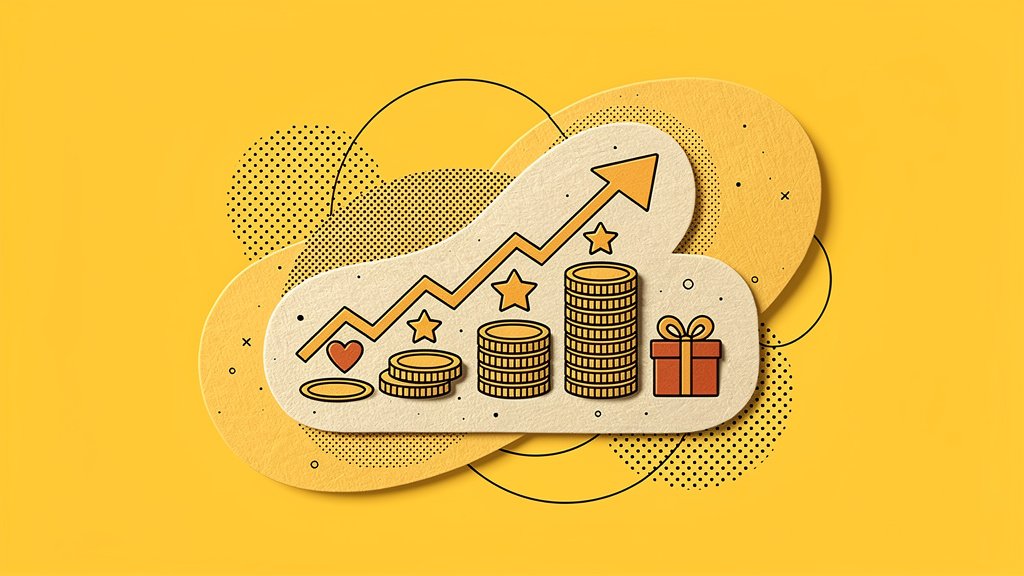
Donor retention basically tracks how many of your supporters stick around year after year, while upgrades transform those one-time gifts into recurring donations or bump up existing amounts. And honestly? The industry data is pretty brutal. Nonprofits retain just 42.6% of donors on average (AFP 2022), with new donor retention sitting at a dismal 14-18.5%. Ouch.
But here’s where it gets interesting. Repeat donors give more. Like, significantly more. Revenue per monthly donor hits $287/year versus $192 for one-time gifts. Let’s break down why focusing on retention isn’t just smart, it’s essential:
- cost efficiency: keeping a donor costs about 10x less than acquiring a new one,
- sustainable revenue: Chive Charities pulls in over 70% of their funding from monthly giving alone,
- growth lever: Innocence Project added 10,000 donors while increasing their recurring average gift by 60%.
So, Funraise users? They’re seeing some outsized gains. We’re talking 12% higher year-over-year donor retention and 1.5x recurring revenue growth when they use Fundraising Intelligence analytics. And if you nail that upgrade ask around the 9-12 month mark, you boost lifetime value exponentially. Multi-time donors retain at 61-84%, which is basically fundraising gold.
Common Challenges We See Daily
Before organizations switch to Funraise (or even while they’re getting started), we hear the same struggles on repeat.
The Data Black Hole: One executive director told us, “We had 3,000 donors in our system, but couldn’t tell who gave last year versus this year without manual spreadsheet work.” Without clear retention metrics, they were basically flying blind, chasing shiny new donors while quietly losing supporters who’d been there all along.
The Card Expiration Crisis: A membership director watched 20-30% of their monthly donors lapse annually. Not because people wanted to stop giving, mind you. Just because credit cards expired and nobody caught them. Each loss meant starting from scratch with awkward re-acquisition campaigns.
The Upgrade Timing Mystery: Lots of organizations ask for upgrades way too early (hello, scared-off new donors) or way too late (missed that perfect engagement window). One development manager shared: “We’d blast everyone with the same annual appeal, whether they’d given once or fifty times. Our best donors felt completely invisible.”
Protip: Start by calculating your retention rate: take last year’s donors who gave this year, divide by total last year’s donors, multiply by 100. Segment by new versus repeat and one-time versus recurring for real insights. Funraise dashboards make this automatic, which is kind of the point.
Benchmark Your Performance
Look, understanding where you stand helps you set goals that aren’t totally pie-in-the-sky. Here’s how different donor segments typically perform:
| Donor Segment | Average Retention Rate | Funraise User Edge |
|---|---|---|
| New Donors | 13.8-18.5% | Data tools lift retention 12% |
| Repeat Donors | 43.6-58.2% | Analytics drive 1.5x recurring growth |
| Recurring Donors | Up to 98% (Chive Charities) | Automated card updates reduce churn |
| Monthly Multi-Gift | 61-84% | 7x online revenue increase |
Funraise’s Fundraising Intelligence provides real-time dashboards for these metrics, helping you spot lapsed donors through passive cancellations or expired cards. You can start tracking these benchmarks for free with no commitments at funraise.org.
Top Retention Strategy: Prioritize Recurring Giving
Chive Charities built their remarkable 98% retention rate by making monthly giving the star of the show from day one. They used consistent storytelling and made it ridiculously easy to join. Want a quick win? Make recurring the default on your donation forms. This single tweak can boost conversions up to 35% through strategic pop-ups and upsells.
Key tactics successful nonprofits actually use:
- promote everywhere: banners, email signatures, newsletters, social media bios. Literally everywhere,
- share weekly impact stories so recurring donors stay engaged and connected to your mission,
- test upgrade frequency: Innocence Project uses one-click upgrades baked right into receipts,
- remove friction: Funraise integrates card updaters and expiration alerts, which eliminates those preventable lapses.
The beauty of recurring giving? Donors who give seven or more times retain at 84.3% versus just 18.6% for one-time donors. That’s your sustainable revenue foundation right there.
AI-Powered Donor Retention Planning Prompt
Ready to create a customized strategy? Copy and paste this prompt into ChatGPT, Claude, Gemini, or Perplexity:
I run a nonprofit focused on [YOUR CAUSE/MISSION]. Our current donor retention rate is [YOUR PERCENTAGE]% and we have approximately [NUMBER OF DONORS] total donors. Our average gift size is [DOLLAR AMOUNT]. Create a 90-day action plan to improve our donor retention by at least 10%, including specific tactics for recurring donor recruitment, personalized stewardship touchpoints, and upgrade strategies. Prioritize low-cost, high-impact activities we can implement immediately.That said, while AI prompts are helpful for brainstorming, it’s worth investing in solutions like Funraise that have AI components built directly into your fundraising workspace. The platform’s intelligence works where you work, with your actual donor data, so you’re not constantly copying information between systems.
Personal Stewardship Builds Unbreakable Loyalty
Handwritten notes at key moments (upgrades, downgrades, even cancellations) reignite emotional connections. Chive Charities demonstrates this consistently. They thank supporters for sticking around during downgrades, and you know what? Donors respond with gratitude and often increase their gifts again later.
Here are some proven stewardship approaches we’ve seen work:
- 1:1 communication: personalized texts or emails acknowledging life events like family loss or celebrations,
- impact reports: link specific gifts to tangible outcomes quarterly, not just in that annual mega-report,
- radical transparency: share challenges alongside wins in your updates and live social media Q&As,
- gratitude events: virtual thank-a-thons or personal calls can lift retention anywhere from 38-61%.
Protip: Map complete donor journeys in your CRM and spot gaps where automated drip campaigns could add personal touches. Think a three-email welcome series for new monthly donors. Funraise makes journey mapping visual and actually actionable.
“The nonprofits seeing explosive growth aren’t chasing the next big fundraising trend. They’re obsessing over donor experience at every touchpoint, using data to personalize at scale.” By implementing the best fundraising strategies for nonprofits, organizations can foster deeper connections with their supporters. This approach not only enhances engagement but also drives sustainable funding that aligns with their mission. As a result, they build a loyal community that believes in their cause and is eager to contribute. To further enhance their fundraising efforts, organizations can explore strategies for corporate sponsorship requests, identifying potential partners whose values align with their mission. By crafting tailored proposals and demonstrating mutual benefits, they can secure vital resources that amplify their impact. This strategic approach not only diversifies funding streams but also strengthens relationships with businesses invested in social responsibility.
Funraise CEO Justin Wheeler
The Unconventional Upgrade: Thank Your Cancellations
Okay, this might sound weird, but hear us out. Chive Charities thanks cancelers with handwritten notes recapping their impact (like, “Your 18 months of giving helped fund 50 individual causes”). This keeps relationship doors open, and many supporters re-engage months or years later when circumstances change.
Pair this human touch with Funraise’s abandoned cart recovery and receipt upsells to peer-to-peer fundraising campaigns. Test different approaches via A/B testing: phone thanks versus impact stories versus small appreciation gifts. Chive reports donors feeling “stunned and grateful” by cancellation acknowledgment, which is basically the opposite of typical nonprofit guilt-tripping.
Smart Upgrade Tactics That Work
Time your upgrade asks around 9-12 months post-recurring enrollment. It’s early enough that donors still feel engaged but late enough they’ve established solid giving habits. Use segmentation for tailored messaging.
| Upgrade Tactic | Description | Expected Impact |
|---|---|---|
| Cover Processing Fees | Ask donors to add 2-3% to cover costs | Nominal increase plus maximized impact perception |
| Employer Match Integration | Add Double the Donation lookup to forms | Free money that literally doubles qualifying gifts |
| Relatable Increase Asks | Pre-card expiration: “Just $5 more feeds one child” | Small, concrete bumps feel achievable |
| Giving Circles | Exclusive perks or recognition for monthly tiers | Status motivates loyalty and increases |
| Peer-to-Peer Pipeline | Add fundraiser creation links to receipts | Transforms donors into fundraisers (2x value) |
Critical stat: Funraise analytics users raise 7x more online annually compared to nonprofits without integrated data intelligence. Plus, recurring donors stick around an average of 8+ years versus just 1.68 years for one-time donors.
Test, Measure, and Iterate with Data
A/B test everything in your donor stewardship. Call campaigns versus email sequences, update frequency, giving club structures, even thank-you message tone. Funraise dashboards track attribution automatically, so you can double down on what actually moves your specific metrics.
Successful testing practices we’ve learned:
- track UTM parameters for all channels so you understand true donor acquisition costs,
- segment lapsed donors (those 12-18 months inactive) for specialized win-back campaigns,
- innovate continuously: Chive Charities is exploring peer-to-peer to capture their next 1% of retention gains.
The key is grounding your donor retention strategies in your actual data, not just industry best practices. What works for a large health nonprofit might totally flop for a small arts organization.
Protip: Leverage Funraise’s site-wide pop-up forms and turn every page of your website into a contextual donation opportunity. This feeds your recurring donor pipeline organically while visitors engage with your content.
Your 90-Day Retention Roadmap
Ready to implement? Here’s your actionable timeline:
Week 1: Calculate baseline retention rates and clean your donor data (remove bounced emails, update addresses)
Month 1: Make recurring giving the default on all donation forms and launch automated welcome drip campaigns for new monthly donors Implementing best practices for donor retention can significantly enhance your overall fundraising strategy. By fostering meaningful relationships and providing regular updates on the impact of contributions, donors are more likely to feel appreciated and engaged. Additionally, consider incorporating feedback loops where donors can share their experiences and suggestions, further strengthening their connection to your mission.
Quarter 1: Run your first A/B tests on stewardship approaches and build a 12-month stewardship calendar with personalized touchpoints
Ongoing: Monitor Fundraising Intelligence dashboards weekly, thank cancellations and upgrades promptly, and refine based on what you’re seeing
Master these tactics, and like Chive Charities and Innocence Project, you can turn one-time supporters into lifelong partners. The good news? You can start testing these approaches today with Funraise’s free tier. No credit card required, no commitments, just better retention rates waiting to happen.
Visit funraise.org to see how successful nonprofits are achieving retention rates that seemed impossible just a few years ago.
About the Author

What are Donor Relations? Why They Are the Core of Your Mission
Look, if you're running a nonprofit, you've probably noticed that building relationships with donors feels a lot like maintaining friendships. And here's the thing: donor relations is exactly that kind of ongoing connection, just with the people funding your mission. It's the art of transforming supporters from one-time givers into lifelong partners who genuinely care…

How to Recruit and Motivate P2P Fundraisers and Supporters
Peer-to-peer fundraising has this beautiful, almost viral quality to it: when the right people carry your mission into their own networks, you're no longer limited by your organization's reach. You're limited by theirs. And honestly? That's a much bigger ceiling. But here's the thing, getting P2P right isn't just about launching a campaign and hoping…

The 101 Guide to Managing Recurring Donors for Nonprofits for Impact
You know what separates nonprofits that survive from those that actually thrive? It's not flashy campaigns or viral moments. It's the quiet power of recurring donors who show up month after month, creating the kind of stable foundation that lets you plan beyond next quarter's panic. Effective communications strategies for nonprofits are crucial in building…