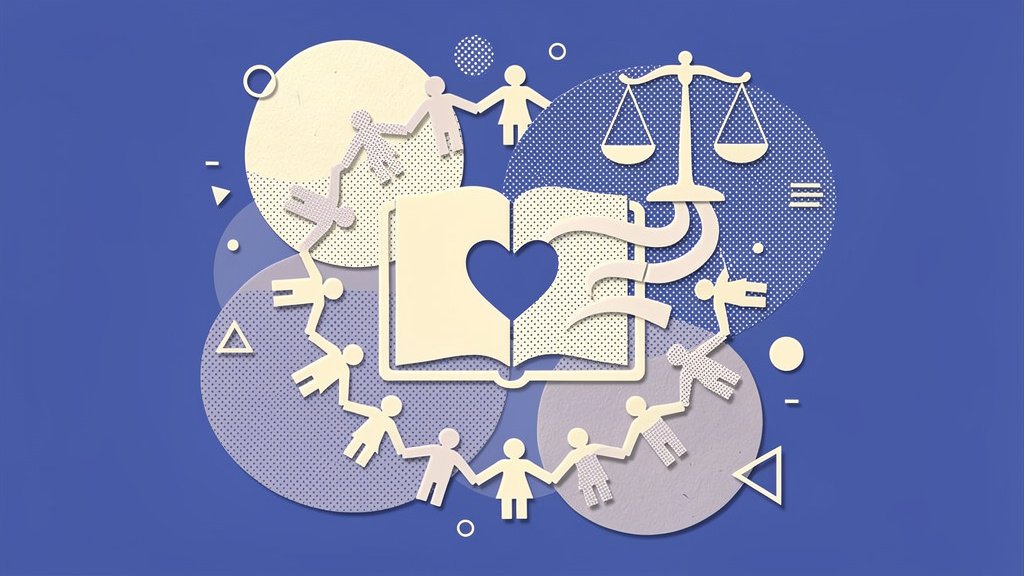
Look, here’s the thing about nonprofit storytelling: we’ve all seen those appeals that make us cringe a little. You know the ones. Heavy on suffering, light on dignity, designed to tug at heartstrings (and wallets) with what’s sometimes called “poverty porn.” It triggers donations in the short term, sure. But it damages something deeper. Trust erodes. Beneficiaries lose their humanity. And donors start questioning whether they’re actually funding real impact or just feeding into a guilt machine.
There’s a better way. Dignified storytelling honors the people you serve while building stronger, longer-lasting relationships with donors. It’s not just a tactical tweak. It’s a fundamental shift in how you think about the stories you tell and whose voices get centered in them.
Understanding the Exploitation Trap
Nonprofits often fall into this trap without meaning to. The pressure’s real: quarterly goals loom, and images of suffering evoke immediate emotional responses. But when you reduce beneficiaries to victims rather than human beings with agency and dreams, you’re building campaigns on guilt instead of partnership.
The consequences go way beyond ethics. While over 70% of donors are more likely to give when they hear effective stories about mission impact (StoryRaise), exploitative tactics actually undermine that potential. They erode the very trust that sustains long-term giving.
Common exploitation patterns include:
- deficit-only narratives that emphasize hardship over humanity,
- guilt-driven appeals that might spike immediate gifts but tank retention,
- lack of consent when sharing unapproved details, especially around sensitive issues like domestic violence or homelessness,
- savior complex framing that positions your organization as the hero rather than a partner.
The Dignified Storytelling Framework
Ethical storytelling lets you share compelling narratives that foster donor trust and drive sustainable giving while celebrating resilience and agency. Here are the core principles we’ve found make the biggest difference:
| Principle | Implementation | Organizational Benefit |
|---|---|---|
| Consent | Obtain explicit permission; allow story review and edits | Builds trust; avoids legal and ethical risks |
| Dignity | Highlight strengths, aspirations, and full humanity (not just struggles) | Positions beneficiaries as protagonists, boosting donor empathy |
| Agency | Let subjects control their narrative; use their words through direct quotes | Creates authentic connections; honors lived experiences |
| Context | Provide broader social and economic backdrop without oversimplification | Educates donors on systemic issues, encouraging sustained support |
| Accuracy | Verify all details; avoid stereotypes or generalizations | Maintains credibility and prevents harm to communities |
Protip: Develop an internal Ethical Storytelling Guide with these principles, then train staff and vendors annually. It ensures consistency across all communications channels, from social media to major donor presentations.
Common Challenges We See Daily
Working with hundreds of nonprofit leaders at Funraise, we encounter these storytelling struggles on repeat:
The Urgency Trap: Development directors feel the heat to meet quarterly goals. They resort to dramatic “before” photos that make beneficiaries uncomfortable. Six months later? They’re struggling with retention because donors feel manipulated rather than inspired.
The Consent Confusion: Teams capture great stories in the field but lack standardized consent processes. When it’s time to launch a campaign, they can’t locate permissions and must abandon compelling narratives. It’s a missed opportunity for relationship-building.
The Data-Story Disconnect: You create emotional stories but fail to connect them with donation prompts at the right moment. Donors read beautiful testimonials, feel genuinely moved, then navigate away without a clear path to give.
The One-Size-Fits-All Mistake: Crafting a single story and blasting it to your entire database means missing opportunities to personalize narratives based on donor interests or giving history. Nearly 80% of donors respond better to tailored narratives (StoryRaise).
Building Consent and Agency Into Your Process
Empower beneficiaries by involving them from story inception to publication. This means seeking permission for all specific uses (email, social media, advertising), sharing drafts for feedback, and prioritizing their comfort throughout.
For confidential cases like domestic violence shelters, use anonymized stories from family volunteers or program staff. Focus on resilience without identifiers. The key is maintaining dignity while protecting privacy.
Practical consent-building steps:
- create a consent form template with checkboxes for different usage types and clear opt-out clauses,
- conduct post-story check-ins to confirm subjects feel honored by the final narrative,
- use direct quotes and self-narrated videos for authenticity whenever possible,
- balance individual triumphs with community efforts to avoid “savior” tropes.
Protip: Review your consent forms quarterly for cultural sensitivity and evolving privacy standards. What felt appropriate two years ago may need updating as awareness grows around dignity and representation.
Strength-Based vs. Deficit-Based Narratives
The difference between exploitation and empowerment often comes down to narrative framing. Dignified storytelling flips from deficit (struggle-only) to strength-based (achievements, aspirations), celebrating transformation while respecting identity.
Deficit-Based Example: “This family struggles with hunger every day, barely surviving.”
Strength-Based Example: “After securing stable housing through our partnership, Maria now advocates for other mothers facing similar challenges, leading workshops on financial literacy in her community.”
The second narrative acknowledges challenges but centers Maria’s agency, skills, and aspirations. And get this: 63% of donors increase gifts after hearing compelling, ethical stories, especially when paired with data proving impact (StoryRaise).
“True partnership in fundraising means shifting from asking ‘How can we use their story?’ to ‘How can we honor their journey while inviting others into the work?’ That mindset change transforms everything.”
Funraise CEO Justin Wheeler
AI-Powered Prompt for Ethical Story Development
Ready to transform how you develop beneficiary stories? Copy and paste this prompt into ChatGPT, Claude, Gemini, or your preferred AI assistant:
I'm developing an ethical fundraising story for [NONPROFIT MISSION/CAUSE]. Help me create a dignified narrative framework that:

1. Centers the beneficiary's voice and agency rather than their suffering
2. Includes specific consent considerations for [BENEFICIARY SITUATION: e.g., 'youth in foster care' or 'survivors of domestic violence']
3. Balances emotional resonance with [SPECIFIC OUTCOME DATA: e.g., '85% job placement rate' or '40 families housed']
4. Suggests 3-5 interview questions that invite strength-based responses rather than deficit-focused answers

Create a story outline that honors dignity while inspiring donor action.
In your daily fundraising work, consider platforms like Funraise that have AI components built directly into task workflows, providing full operational context rather than requiring you to switch between tools. This integration means ethical storytelling guidance appears exactly when you need it (while building campaigns, drafting emails, or creating donation pages).
The Revenue Case for Ethical Storytelling
Some fundraisers worry that dignified narratives lack emotional punch. The data proves otherwise.
Funraise users who integrate ethical, people-powered stories into their fundraising see 77% average online revenue growth (Funraise). Plus, pop-up donation forms on story-rich pages lifted monthly giving conversions by 12.1% for clients like Action Against Hunger (Funraise).
These numbers demonstrate that donors respond to humanity, not pity. When beneficiaries become protagonists in transformation stories, donors see themselves as partners rather than saviors. That’s a mindset shift that drives sustained giving and higher lifetime value.
Community Co-Creation: An Unconventional Approach
Consider launching co-created storytelling collectives where beneficiaries, staff, and donors workshop narratives together via virtual sessions. This democratizes power and yields hybrid stories (like a beneficiary directing a video script) that feel genuinely participatory.
With 95% SMS open rates (Funraise), text messaging becomes ideal for teaser invites: “Share your voice in our next story? Reply YES to join our storytelling session next Thursday.”
This approach transforms storytelling from extraction to collaboration. It positions your nonprofit as genuinely committed to partnership over paternalism.
Protip: Pilot community co-creation for your year-end appeal with a small group of 5-8 participants. Document the process to create behind-the-scenes content showing your ethical commitment. Donors increasingly value organizational transparency about storytelling practices.
Implementation Roadmap
Adopt dignified storytelling organization-wide through these sequential steps:
Phase 1 – Audit (Month 1): Review current stories for exploitation red flags like absent consent, deficit-only framing, or stereotypical imagery.
Phase 2 – Training (Months 2-3): Equip teams with ethical storytelling toolkits and guidelines, including your customized consent forms and interview question banks.
Phase 3 – Sourcing (Month 4): Partner with local filmmakers and storytellers who bring cultural nuance and community trust to narrative development.
Phase 4 – Testing (Months 5-6): A/B test ethical versus traditional appeals, measuring both immediate conversion and 12-month retention.
Phase 5 – Scaling (Ongoing): Embed approved stories strategically in donation flows, peer-to-peer campaigns, and impact reports using platforms that contextualize giving.
This roadmap turns ethical compliance into competitive advantage. Dignified nonprofits retain donors longer and build advocacy networks that amplify reach organically.
Building Long-Term Trust Through Ethical Practices
When you shift to strength-based, consensual narratives, donors feel seen as partners rather than ATMs. This builds sustained energy that manifests as repeat gifts, peer recruitment, and public advocacy.
Anyway, let’s bust a myth: ethical stories don’t lack emotion. They educate and empower instead of manipulating. The emotional resonance actually deepens because it’s rooted in authentic human connection rather than manufactured guilt.
Sustainability strategies include:
- periodic representation audits reviewing stories for diversity and gathering community feedback,
- multimedia integration using videos and photos of progress (with consent) to deepen bonds over time,
- outcome measurement tracking retention rates post-ethical campaigns versus traditional approaches,
- donor segmentation personalizing stories based on giving history and interests.
If you’re ready to scale ethical storytelling with tools that make implementation easier, Funraise offers both free and premium tiers designed specifically for nonprofits serious about dignified fundraising. The platform contextualizes storytelling with impact data and donation prompts at precisely the right moments, making ethical approaches both principled and practical.
The shift to ethical storytelling isn’t about sacrificing fundraising effectiveness. It’s about recognizing that true, sustainable impact requires honoring the dignity of everyone in your mission ecosystem: beneficiaries, donors, and communities alike. When you make that shift, you build the kind of trust that transforms one-time givers into lifelong partners in change.
About the Author

1) Why Most Nonprofit Strategies Fail: The Glass-Chewing Truth
You've sat through dozens of strategy meetings, right? Whiteboards covered in ambitious goals, spreadsheets showing exponential growth curves, slides promising transformational impact. Fast forward six months and, well, nothing's really changed. Revenue's stuck, your team's exhausted, and the mission feels like it's drifting. Here's the thing: most nonprofit strategies don't fail because of bad planning.…

2) Closing the Nonprofit Technology Gap: Stop Duct-Taping Your Mission
Your mission deserves better than patchwork tech held together with digital duct tape and prayers. Look, here's the thing. With over 1.4 million nonprofits in the US, most operating under $1M in annual revenue, the "technology gap" isn't just annoying. It's a systemic barrier that caps your impact before you even begin. In this guide,…
3) Modern Nonprofit Board Governance: Moving Boards to Mission Growth
Most nonprofit boards live in a state of financial anxiety, spending way more time worrying about budget cuts than imagining what transformational impact could look like. Here's the thing: board members are naturally cautious (it's basically written into their job description), but that defensiveness can freeze the very growth that'd make your mission stronger. So…