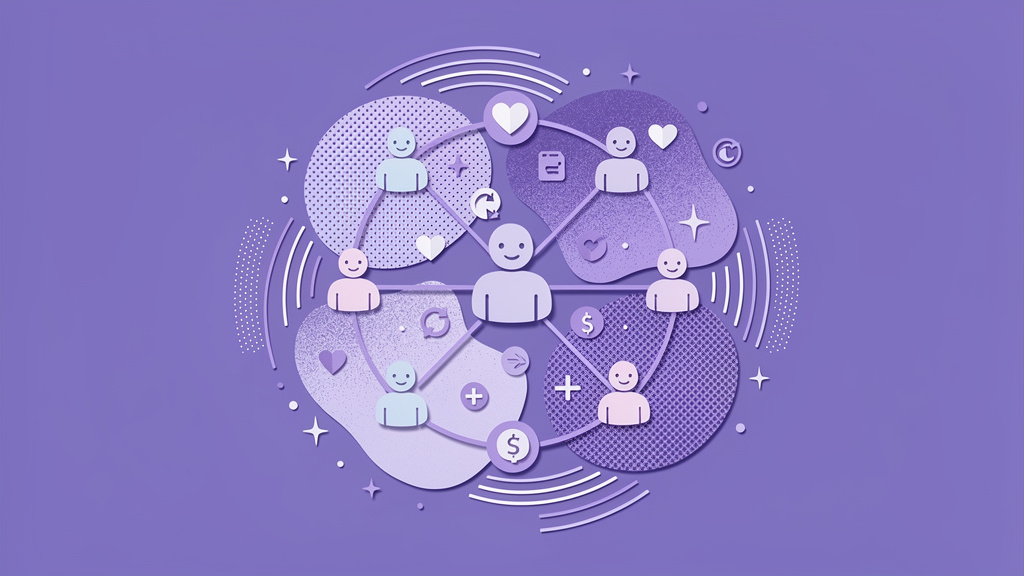
Look, peer-to-peer fundraising isn’t just another tactic to throw at your donor base. It’s actually one of the most powerful ways to expand your reach and build real community around your mission. Sure, the top 30 P2P programs raised a combined $1.17 billion in 2025 (NonProfit PRO), but here’s the thing: participation rates are still 56% below where they were pre-pandemic (NonProfit PRO). So there’s clearly something we need to crack here.
We’ve spent years working alongside nonprofit leaders who’ve turned their P2P campaigns from “meh” to absolutely thriving. What we’ve learned is that success comes down to some pretty specific strategies. Let’s explore the 12 practices that experienced leaders swear by.
1. Harness the Power of Personal Networks and Trust
The foundation here is dead simple: people trust their friends. When someone’s college roommate or yoga buddy personally asks them to donate (especially with a compelling story attached), they’re way more likely to give than if your nonprofit sends another email blast (GoFundMe). That’s why P2P brings in new donors who actually stick around.
Here’s something that surprised us: one peer-to-peer fundraiser on Funraise raises an average of $1,220, which is literally double what top P2P programs across the sector typically see (Funraise). So you’re not just multiplying your reach when you empower supporters to fundraise. You’re exponentially increasing what each person brings in.
2. Select the Right Peer-to-Peer Platform
Your tech stack can make or break this whole thing. When you’re evaluating platforms, focus on:
- ease of use for everyone involved (both your fundraisers and their donors),
- customization features so participants can make their pages actually feel personal,
- mobile-optimized forms (because let’s be honest, everyone’s on their phones),
- social media integrations that make sharing effortless,
- an exceptional donor experience from start to finish (Funraise).
The right platform takes the administrative headache off your plate and lets you track everything in real-time. In our experience, Funraise offers both a free tier for smaller organizations testing the waters and premium options as you scale up.
Protip: Look for Facebook integration that lets your fundraisers connect their personal pages directly to your platform. This leverages social proof in a big way and seriously boosts share rates (Funraise).
3. Create Compelling Campaign Planning and Goal-Setting
A successful P2P campaign starts way before anyone hits “publish” on their fundraising page. Your planning should include:
- a clear, specific goal that creates urgency,
- a defined deadline for accountability,
- a comprehensive marketing strategy for recruiting and supporting fundraisers,
- event details with contingency plans (if you’re doing something in-person),
- a realistic timeline that accounts for recruitment, training, and building momentum.
Campaigns with detailed event plans, especially for in-person components, consistently show higher engagement and revenue.
4. Equip Fundraisers with Professional Resources and Messaging
One of the trickiest parts of P2P? You’re giving up some control over your messaging. When supporters communicate independently, they might accidentally dilute your brand voice or miss key impact stories. The solution is providing comprehensive resource packages that turn fundraisers into confident advocates (OneCause).
Essential resources include:
- campaign one-pagers summarizing your mission,
- brand guides with messaging and relevant stats,
- design collateral like graphics and social templates,
- pre-written email templates they can personalize,
- links for donors who want to learn more,
- authentic stories and testimonials they can share (OneCause).
When participants have these tools at their fingertips, they save time, feel more confident, and raise more money.
Protip: If you’ve got major donors willing to match gifts, activate those matches midway through your campaign. Use them as rallying points to show fundraisers their efforts create multiplied impact (OneCause).
5. Build Community and Foster Accountability
Here’s what experienced leaders know: P2P thrives on community and shared momentum. The campaigns that really take off create spaces where fundraisers feel supported and accountable to each other.
Try creating a dedicated group chat or private Facebook group exclusively for your volunteer fundraisers. Use it to share encouragement, celebrate milestones, and answer questions. Let fundraisers see each other’s progress and cheer on wins together. When you make progress visible, achievement becomes meaningful.
When participants feel like partners (not just promoters), they fundraise harder and come back for future campaigns.
Common Challenges We See With Nonprofit P2P Campaigns
In our daily work with nonprofit leaders, we keep running into the same struggles. The most common? Launching campaigns without adequate fundraiser training. You end up with participants who create pages but never actually activate them or reach out to their networks.
We also see organizations lose steam because they don’t communicate consistently throughout the campaign. Fundraisers feel abandoned after that initial launch excitement fades. Plus, there’s technology friction, where clunky platforms create barriers that lead to abandoned donations and frustrated participants.
Another big one is donor retention after campaigns end. Between 2022 and 2025, about 40% of first-time donors came through P2P campaigns (NonProfit PRO), yet most organizations lack systematic follow-up to convert these one-time givers into sustained supporters.
Finally, too many nonprofits treat P2P as a one-off tactic instead of a strategic program, missing opportunities to build year-over-year momentum with returning participants who could become their most valuable fundraisers.
6. Leverage Multi-Channel Communication Strategically
Your fundraisers are all over the place, platform-wise. Meet them where they naturally communicate and give them templates for each channel.
| Channel | Use Case | Key Advantage |
|---|---|---|
| Reach broader supporter base; personalized messaging | Direct, trackable, and permission-based | |
| Social Media | Integrate with Facebook/Instagram; viral potential | High visibility; built-in social proof |
| Direct Mail | Stand out amid digital clutter; event announcements | Tangible; effective for explaining complex campaigns |
| Your Website | Central hub for campaign information; dedicated landing page | Consistent branding; SEO visibility |
Each channel needs different asset formats. Provide sample templates so fundraisers feel confident across all touchpoints (OneCause).
7. Personalization and Customization Are Non-Negotiable
Generic fundraising pages just don’t convert. Period. Successful campaigns empower participants to customize their pages to reflect why this cause matters personally to them (OneCause).
Participants should be able to:
- write custom headlines explaining their connection to your mission,
- upload personal photos showing their involvement,
- set individual goals that feel achievable,
- add their own stories and testimonials (OneCause).
When fundraisers inject their authentic voice into campaign pages, donors connect on a human level (not an organizational one) and give accordingly.
Protip: Recognize effort, not just outcomes. Celebrate first donations, creative outreach ideas, and personal milestones, not only top fundraisers. This keeps a broader community engaged and reinforces that every action counts.
8. Maintain Continuous, Two-Way Communication
The difference between fundraisers who thrive and those who stall? Often it’s organizational communication. We’ve found that consistent contact throughout the campaign lifecycle makes all the difference.
Regular touchpoints should include:
- progress updates showing how close you are to the goal,
- milestone celebrations recognizing individual achievements,
- encouragement and tips for reaching out,
- real-time performance feedback,
- open channels for questions and concerns (GoodUnited).
Two-way communication helps fundraisers feel seen, supported, and motivated to keep going, even after the initial excitement wears off.
AI Prompt to Optimize Your P2P Campaign Strategy
Copy and paste this prompt into your preferred AI model (ChatGPT, Claude, Gemini, or Perplexity) to generate customized P2P campaign messaging:
You are an expert nonprofit fundraising strategist specializing in peer-to-peer campaigns. Help me create compelling messaging for our upcoming P2P campaign with these details:

1. Our organization's mission: [INSERT YOUR MISSION]
2. Our P2P campaign goal: [INSERT FUNDRAISING GOAL AND TIMELINE]
3. Our target fundraiser demographic: [INSERT PARTICIPANT PROFILE]
4. The specific impact donors will create: [INSERT TANGIBLE OUTCOMES]

Please generate:
- 3 subject lines for fundraiser recruitment emails
- A 150-word social media post template fundraisers can customize
- 5 milestone celebration messages for different fundraising levels
- A compelling "why I'm fundraising" story framework participants can adapt

Focus on emotional connection, clear impact messaging, and easy customization.
While AI tools can help generate campaign messaging, you’ll find greater efficiency with solutions like Funraise that have built-in AI components directly integrated where you’re already working. This provides full operational context and eliminates the copy-paste dance between platforms.
9. Implement Strategic Incentives and Gamification
Incentives make peer-to-peer fundraising feel rewarding and fun. Instead of monetary rewards, consider:
- tiered recognition (bronze, silver, gold levels based on milestones),
- special badges and featured spotlights,
- peer competitions between teams or individuals,
- exclusive experiences like virtual coffee with leadership,
- public leaderboards showing progress toward goals (Funraise).
Gamifying the process taps into participants’ competitive spirit and desire for recognition. And honestly? It just makes things more enjoyable.
“The most successful peer-to-peer campaigns don’t just ask supporters to fundraise they empower them to become storytellers and advocates who authentically share why the mission matters to them personally.”
Funraise CEO Justin Wheeler
10. Focus on First-Time Donor Conversion and Retention
Between 2022 and 2025, approximately 40% of first-time donors came through peer-to-peer campaigns (NonProfit PRO). That’s a remarkable opportunity, but only if you convert these new supporters into long-term advocates.
Retention strategies include:
- immediate thank-you communications (within 48 hours),
- impact updates showing how their donation made a difference,
- invitations to future campaigns or volunteer opportunities,
- stewardship communications that deepen their understanding of your mission,
- feedback requests that make donors feel heard and valued.
New P2P donors represent high-potential major donor prospects. Treat their conversion as the beginning of a relationship, not the end of a transaction.
Protip: Use fundraising intelligence dashboards to identify patterns. If you discover that fundraisers who receive personalized check-ins raise 30% more than those who don’t, that insight should reshape your entire support strategy.
11. Track, Analyze, and Optimize Campaign Performance
Data-driven optimization separates good P2P campaigns from exceptional ones. Track key metrics throughout your campaigns:
- total amount raised and progress toward goal,
- number of fundraisers activated and actively fundraising,
- average amount raised per fundraiser,
- conversion rates from prospects to donors,
- new versus returning donor breakdown,
- revenue per participant across time periods,
- cost per dollar raised (Funraise).
Modern platforms provide dashboards displaying these metrics in real-time, so you can make mid-campaign adjustments. If certain fundraisers are underperforming, intervene with additional support. If segments are crushing it, amplify their approaches.
12. Plan for Sustained Growth and Year-Over-Year Improvement
The most successful P2P programs are built for sustainability, not just annual spikes. Returning participants who fundraise for the same program for five consecutive years raise an average of $4,425, way exceeding new participant revenue (Peer-to-Peer Professional Forum).
Sustainability strategies include:
- debriefing after each campaign to identify what worked and what needs adjustment,
- maintaining relationships with top fundraisers year-round (not just during campaign season),
- setting incremental growth goals that feel achievable (think 3-5% year-over-year, not 50%),
- investing in platform improvements based on participant feedback,
- celebrating returning participants publicly as valued partners,
- creating advancement pathways for top fundraisers to become team captains or ambassadors.
An 18% average year-over-year increase in fundraising happens with returning participants (Peer-to-Peer Professional Forum). That’s the power of retention and deepening engagement.
The Bottom Line: P2P Fundraising as a Strategic Priority
Peer-to-peer fundraising isn’t a supplementary strategy anymore. It’s a core revenue driver for forward-thinking nonprofits. When executed with intention using these 12 practices, P2P campaigns deliver:
- exponential reach through participants’ personal networks,
- high-value donors with deep organizational ties,
- cost-effective acquisition of new supporters,
- community building around your mission,
- sustainable, predictable revenue year after year.
The nonprofits leading their sectors understand that P2P is fundamentally about empowering supporters to become advocates. By providing the right tools, messaging, technology, and support, you transform donors into fundraisers and fundraisers into brand ambassadors who generate impact far beyond their initial gifts.
If you’re ready to build or optimize your P2P program, consider testing Funraise’s platform. With a free tier to start and no commitments required, you can explore how modern fundraising technology transforms campaign performance without risk.
About the Author

50 Creative Peer to Peer Fundraising Ideas for Any Cause
Classic Event-Based Ideas That Build Community Traditional events still pack a punch because they combine physical participation with fundraising. Plus, they create those memorable experiences people actually want to share. Walk-a-thons and fun runs let participants collect pledges per mile, offering low barriers to entry and serious turnout potential. Bike rides and spin-a-thons work similarly…
Your Blueprint for a High-Impact Peer to Peer Campaign
Look, peer-to-peer fundraising isn't just another tactic to add to your already overflowing plate. It's about turning your supporters into active champions who rally their networks on your behalf. Instead of simply asking people to give, you're inviting them to become part of something bigger, creating authentic connections that can seriously amplify your reach. As…
How to Plan and Launch a Successful Peer-to-Peer Fundraising Campaign
Peer-to-peer fundraising turns your supporters into active fundraisers, multiplying your reach through authentic personal connections that you'd never access otherwise. When you execute it strategically, P2P campaigns create a ripple effect that extends far beyond your traditional donor base. But here's the thing: success requires more than enthusiasm. While campaign volume rose 18% in 2024,…