
You know what separates nonprofits that survive from those that actually thrive? It’s not flashy campaigns or viral moments. It’s the quiet power of recurring donors who show up month after month, creating the kind of stable foundation that lets you plan beyond next quarter’s panic. Effective communications strategies for nonprofits are crucial in building lasting relationships with these donors. By focusing on clear messaging and transparency, organizations can foster trust and encourage ongoing support. Ultimately, a strategic approach to communication not only retains donors but also cultivates a sense of community around the mission.
We’re going to walk through how to build and manage a monthly giving program that doesn’t just bring in steady revenue but actually deepens your relationships with supporters. Think of this as your roadmap from chasing one-time gifts to cultivating a community of loyal partners.
Why Recurring Donors Drive Nonprofit Sustainability
Look, one-time donors give an average of 1.2 times (basically once, maybe twice if you’re lucky). Recurring donors? They provide predictable revenue that lets you actually plan more than three months ahead. Their contributions compound over time, dramatically increasing lifetime value while freeing you from the feast-or-famine rollercoaster of year-end appeals.
But here’s the thing. The engagement advantage runs way deeper than dollars. Monthly donors feel like mission partners rather than ATMs. They become advocates, refer friends, and require less acquisition spend over time. Plus, they free your team to focus on programs instead of constantly replacing churned supporters.
The numbers back this up. Retention rates for recurring donors average 77%, dwarfing the 34% rate for one-time givers (Giving USA). Top-performing nonprofits derive 33.5% of total revenue from recurring donors, compared to the average 12.88% (Virtuous). And get this: 97% of donors upsold to monthly exceed their original one-time value (Donorbox).
Organizations using Funraise see even better results, with some clients achieving 97% retention rates through automated card updaters and proactive stewardship (Funraise).
Protip: Calculate your current recurring revenue percentage right now. If you’re below 15%, you’re leaving serious sustainability on the table. Start with a goal of reaching 20% within 18 months by converting existing multi-gift donors first.
Common Challenges Before Finding the Right System
So what’s standing in the way? Before switching to comprehensive platforms like Funraise, nonprofit leaders consistently hit the same frustrating roadblocks.
The expired card black hole. Organizations lose 15-25% of monthly donors annually simply because credit cards expire and there’s no automated system to update them. Staff waste hours manually chasing down updates for totally preventable churn.
Data silos creating blind spots. Your CRM doesn’t talk to your donation platform, so you can’t identify which one-time donors gave multiple times last year (a.k.a. your best monthly giving prospects). Segmentation becomes guesswork rather than strategy.
Generic communication killing retention. Monthly donors receive the same urgent appeals as cold prospects, making them feel unappreciated. Without proper segmentation tools, personalizing stewardship at scale becomes impossible.
Upgrade opportunities missed entirely. You know donors should be upgraded after 9-12 months, but without automated tracking and prompts, these conversations never happen. Revenue growth stalls despite having engaged supporters ready to give more.
Acquiring Your First Wave of Recurring Donors
Start by targeting repeat one-time donors using CRM data to identify high-potential candidates. Look for supporters who gave 2+ times in the past 12 months. They’ve already demonstrated commitment and just need an easier giving mechanism.
Optimize your donation forms to promote monthly giving as the default option, with suggested amounts that feel accessible. Positioning $15/month as an alternative to $150 one-time removes the psychological barrier while actually increasing annual revenue.
| Strategy | Description | Example Tactic |
|---|---|---|
| Suggested Amounts | Position recurring as easier than large one-time gifts | $15/month vs. $150 one-time |
| Tiered Incentives | Offer perks for joining levels | Pins for all, event tickets at $35+/month |
| Default Monthly | Make recurring pre-selected on forms | Boosts conversions by simplifying choice |
Funraise donation forms achieve a 50% conversion rate, far above industry norms, partly because monthly giving is elegantly presented as the primary option (Funraise). If you’re currently using basic forms, you can start testing Funraise for free with no commitments to see immediate conversion improvements.
AI-Powered Donor Upgrade Prompt
Okay, here’s something practical you can use today. Ready to identify your best upgrade candidates? Copy and paste this prompt into ChatGPT, Claude, Gemini, or your preferred AI assistant:
Analyze my nonprofit's recurring donor data to identify upgrade opportunities. For donors who have given monthly for [NUMBER_OF_MONTHS], with an average gift of [AVERAGE_MONTHLY_AMOUNT], create a personalized email template suggesting an upgrade to [UPGRADED_AMOUNT] by framing the impact difference. The email should reference [SPECIFIC_PROGRAM_OR_OUTCOME] and feel personal rather than templated. Include subject line options and a P.S. that acknowledges their loyalty.

Variables to customize:
- [NUMBER_OF_MONTHS]: e.g., "9-12 months"
- [AVERAGE_MONTHLY_AMOUNT]: e.g., "$20"
- [UPGRADED_AMOUNT]: e.g., "$30"
- [SPECIFIC_PROGRAM_OR_OUTCOME]: e.g., "our water well project in East Africa"
That said, while standalone AI tools help with one-off tasks, platforms like Funraise integrate AI components directly into your workflow. That means generating personalized appeals, optimizing send times, and suggesting upgrades with full donor context already loaded. No copying data between systems, and recommendations that reflect complete giving history.
Retention Strategies That Actually Work
Retention separates sustainable programs from leaky buckets. You need automated infrastructure that prevents passive churn while adding human touches that deepen emotional connection.
Critical retention pillars include:
- card updaters: automatically refresh expired payment information before charges fail,
- personalized stewardship: quarterly impact updates referencing specific donor contributions,
- flexible management: allow pauses or frequency changes without full cancellation,
- exclusive perks: VIP event access or early content access for sustainers.
Organizations using proactive texting to re-engage lapsed sustainers see 3% renewal rates with 124% ROI (RKD Group). The key is treating recurring donors differently. Exclude them from mass acquisition appeals and add tailored recognition.
Protip: Automate “gift anniversary” emails at 6 and 12 months with personalized progress recaps. This reinforces value without extra staff time and naturally opens upgrade conversations when donors feel most connected to impact.
“Monthly donors aren’t just revenue streams; they’re your organization’s sustainability insurance policy. The nonprofits that thrive long-term build their entire fundraising strategy around recurring relationships, not one-time transactions.” In this context, understanding the tax benefits of charitable giving can significantly enhance your outreach efforts. By educating potential donors on these advantages, you empower them to see their contributions as not just a donation, but a strategic financial decision. This shift in perspective can lead to increased engagement and a stronger commitment to your organization’s mission. To support these enduring relationships, providing clear and organized non profit donation receipt examples is essential for transparency and trust. When donors are assured that their contributions are acknowledged, they are more likely to continue their support over time. This approach not only fosters loyalty but also encourages others to join in, expanding your donor base significantly.
Funraise CEO Justin Wheeler
Communication That Builds Lifetime Relationships
Segment your communications so monthly donors receive different messaging than prospects. Generic urgent appeals undermine their insider status. Instead, focus on impact reporting that shows how their consistent support enables your work.
Effective communication strategies:
- impact storytelling: quarterly narratives linking their gifts to specific outcomes (not asks),
- gratitude moments: handwritten annual notes from staff or beneficiaries,
- two-way dialogue: surveys on preferences with SMS responses for real-time support,
- milestone recognition: celebrating giving anniversaries and cumulative impact.
Personalize every touchpoint to reinforce their role as mission insiders. “Your $20/month planted 5 trees this quarter” outperforms generic “donors like you” language by creating tangible connection.
Strategic Upgrade Timing and Tactics
Wait 9-12 months after signup before requesting upgrades. Donors need time to see impact and build trust. Use giving data to suggest specific increases: “Bump to $25 to double your reach?”
| Upgrade Approach | Timing | Expected Participation |
|---|---|---|
| Email Cadence | Months 9-12 | 10-20% uptake |
| Incentive Bundles | Post-upgrade | Membership swag boosts conversion |
| Impact Framing | Ongoing messaging | “Your extra $5 feeds 2 more families” |
Organizations using Funraise’s targeting tools see 128% recurring revenue growth by identifying the right donors at the right time with the right ask (Funraise). The platform’s built-in analytics remove guesswork from upgrade campaigns.
Protip: Frame upgrades as impact expansion rather than “we need more money.” Show exactly what the additional amount accomplishes, making donors feel like they’re scaling solutions rather than filling budget gaps.
Essential Metrics for Program Optimization
Track these KPIs quarterly to identify improvement opportunities:
| Metric | Industry Benchmark | Optimization Focus |
|---|---|---|
| Retention Rate | 77% Year 1 | Implement card updaters; aim for 85%+ |
| % Revenue from Recurring | 12.88% average | Target 20%+ through form optimization |
| Average Monthly Gift | $21 industry average | Use tiered asks to increase to $30+ |
| Monthly Churn Rate | Under 5% ideal | Add pause options before cancellation |
Funraise clients growing recurring revenue by 52% year-over-year on average share common practices: automated retention systems, personalized stewardship, and data-driven upgrade timing (Funraise).
Building Your Recurring Donor Program
Managing recurring donors successfully requires the right infrastructure, thoughtful communication, and consistent optimization. Start by converting your multi-gift one-time donors, implement automated retention systems, and create stewardship that makes monthly supporters feel like mission insiders. Deploy tools that set up recurring donations effortlessly, ensuring that supporters can contribute with ease. Emphasize the value of their commitment through personalized updates and recognition strategies. By simplifying the donation process, you foster a stronger connection with your base and encourage long-term engagement.
The nonprofits building sustainable futures aren’t chasing viral campaigns. They’re cultivating loyal monthly donor communities that compound impact over years. With retention rates over 2x higher than one-time donors and lifetime values that can exceed 5x, recurring giving programs represent your most valuable fundraising investment.
Ready to transform your approach? Test Funraise’s platform for free to see how integrated tools, AI-powered insights, and automated retention systems can grow your monthly giving program without adding staff. Your mission’s sustainability depends on predictable revenue, and recurring donors deliver exactly that.
About the Author


Donor management software comparison for major gift teams: moves, pledges and capacity tracking
Major gift fundraising isn't really a spreadsheet problem, even though most software gets evaluated like it is. It's a relationship problem. It's a math problem. And honestly? It's a prioritization problem too, all rolled into one messy job. So when nonprofits pick donor management software the same way they'd pick an email tool, checking only…
Donation tiers: the psychology of the middle option and how to price your giving levels
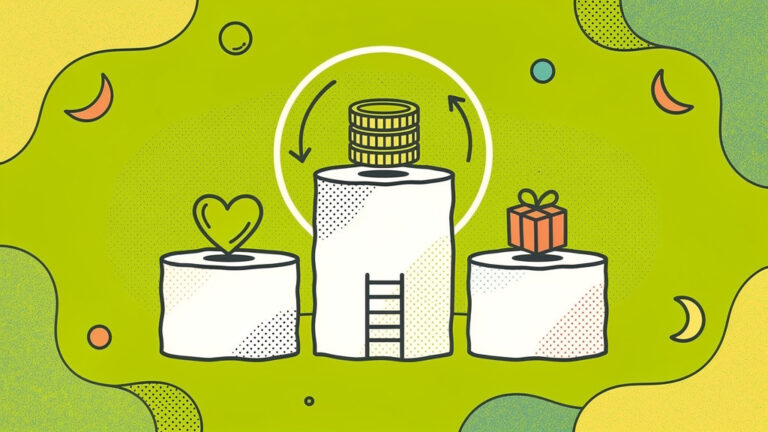
Look at any donation form and you'll see the same setup: three or four suggested amounts sitting there, looking totally unremarkable. But here's the thing, those little numbers are doing a lot more work than they let on. They quietly tell donors what "normal" giving looks like on your page, and whichever amount sits in…

What major donors want: 10 things they expect before, during and after the gift
Major donors don't just wire money because they're feeling generous that day. They're making strategic bets on your mission, and honestly, they're sizing you up at three different moments: before they say yes, during the actual gift conversation, and after the money lands. Get a handle on what they're expecting at each stage, and you…